
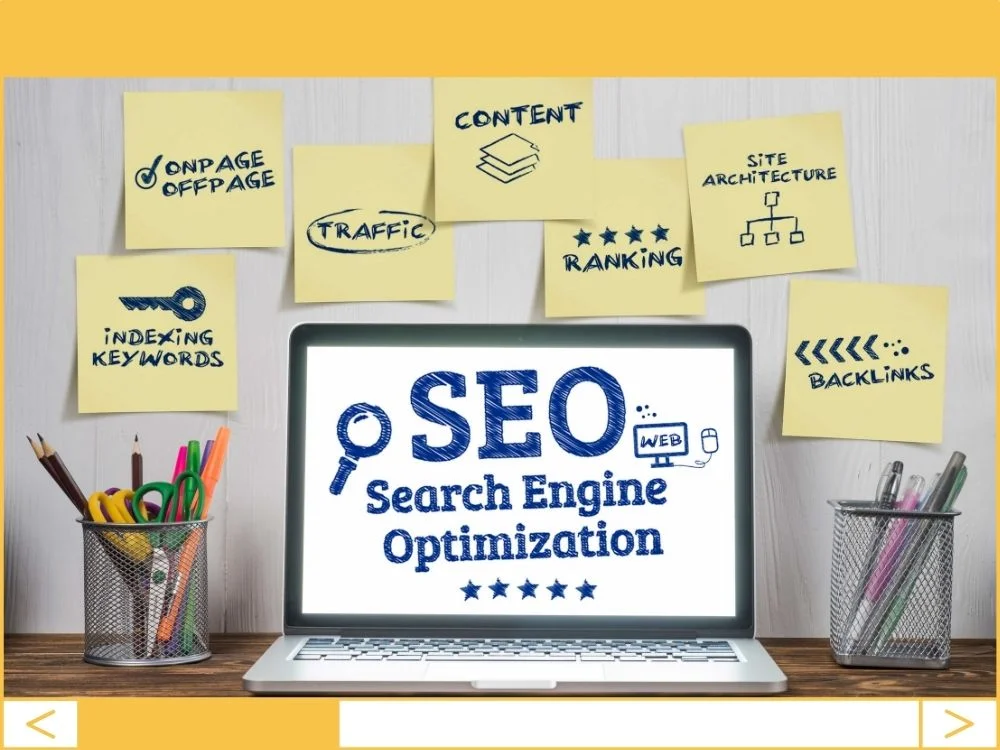
SEO isn’t a “set it and forget it” task anymore.
Google’s algorithms are smarter, your competitors are hungrier, and a generic plugin isn’t a magic wand. If you want your business to show up when customers are actually looking for you, you need a toolkit that handles the heavy lifting without breaking your site.
Let’s cut through the noise and look at the only tools that deserve a spot on your dashboard this year.
Don’t Just Obsess Over Green Lights
Most people treat SEO plugins like a video game, chasing “green lights” in the content editor. That’s a mistake. A green light doesn’t mean you’ll rank; it just means you followed a checklist.
A truly great plugin manages the “invisible” stuff—the technical architecture that tells Google your site is trustworthy.
1. Rank Math: The Smart Choice for 2026
I’ll be blunt: Rank Math has effectively dethroned the old giants. It’s faster, the interface doesn’t feel like it’s from 2012, and it gives you “Pro” features for free that others charge $100+ for.
- The Feature: Built-in Schema Markup.
- Business Benefit: Your search results look “fancier” (think star ratings and prices), which leads to more clicks and higher trust before they even land on your page.
2. Yoast SEO: The Reliable Veteran
If you’ve been using Yoast for a decade, you don’t necessarily need to switch, but you should know it’s becoming increasingly bloated with ads for its own premium services. It’s still the “Honda Civic” of plugins—it’s safe, it works, and everyone knows how to fix it.
- The Feature: Readability Analysis.
- Business Benefit: It forces your team to stop writing like academic robots and start writing like humans, which keeps potential customers on your page longer.
3. SEOPress: For the Minimalist
I love SEOPress because it’s completely white-labeled. There are no annoying “Buy Pro” banners taking up half your screen. It’s lightweight, which means it won’t slow down your backend while you’re trying to run your business.
- The Feature: Google Analytics integration right in the dashboard.
- Business Benefit: You save time by seeing how your SEO is performing without having to log into three different Google accounts every morning.
4. AIOSEO: The “I’m Too Busy for This” Option
All in One SEO (AIOSEO) is designed for the business owner who doesn’t want to learn what a “canonical URL” is. It’s very hand-holdy, which is great if you’re managing your own site and have a million other things to do.
- The Feature: Local SEO Module.
- Business Benefit: It makes sure your physical address and phone number are perfectly synced across the web, driving more “near me” traffic to your door.
5. WP Rocket: The Hidden SEO Weapon
Speed is a ranking factor, period. You can have the best content in the world, but if your site takes four seconds to load, Google will bury you. WP Rocket isn’t an “SEO plugin” in the traditional sense, but it’s more important than most of them.
- The Feature: Advanced Page Caching.
- Business Benefit: Faster load times mean lower bounce rates. When people stay on your site, you make more sales. Simple math.
Which One Should You Pick?
Don’t overcomplicate this.
If you want the best tech and the most features for free, install Rank Math. If you’re already on Yoast and it’s working, stay there but consider trimming the fat. If your site feels slow, stop looking at keywords and get WP Rocket.
One final warning: Never install two SEO plugins at once. They will fight each other, slow down your site, and potentially crash your rankings. Pick one and commit.
Founder’s Action Item
Audit your current plugins today. If you have an SEO plugin installed but haven’t looked at your “Search Console” in six months, the plugin isn’t helping you. Log in, check your Sitemap settings, and ensure your “Local SEO” info is accurate.